

Matt Blatt Nissan - What Absecon, NJ Drivers Should Know About Check Engine Light Diagnostics
A check engine light can create instant uncertainty, especially when your vehicle still seems to drive normally. For Absecon, NJ drivers using Route 30, the White Horse Pike, local school routes, shopping centers, and commuter roads toward Egg Harbor Township or Atlantic City, it is tempting to keep driving and hope the light turns off. Sometimes the issue is minor, such as a loose fuel cap. Other times, the light may point to a misfire, emissions concern, sensor fault, fuel system problem, or drivetrain issue that can get worse if ignored. The best response is not to panic, but also not to guess. A professional diagnostic visit helps identify why the light came on, what systems are affected, and whether the vehicle is safe to keep driving.
Why the Check Engine Light Comes On
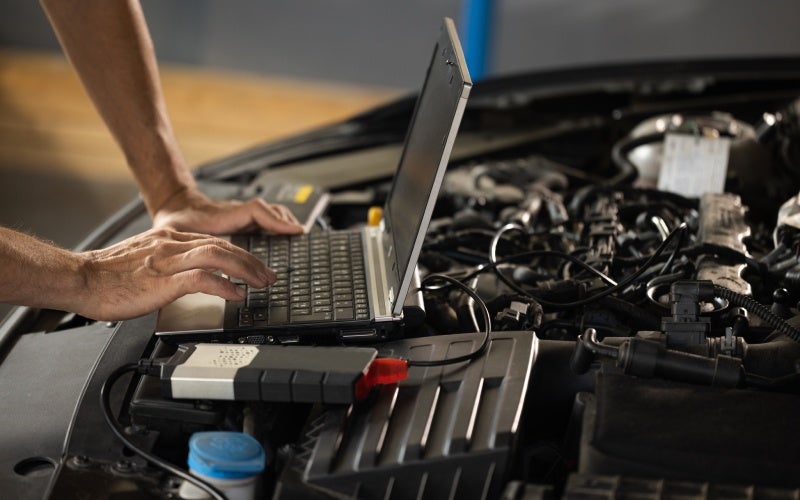
The check engine light is connected to your vehicle’s onboard diagnostic system. When the system detects data outside expected ranges, it stores a diagnostic trouble code. That code is a starting point, not a final diagnosis. For example, an oxygen sensor code may reflect a sensor issue, but it may also be related to an exhaust leak, wiring concern, fuel mixture problem, or engine performance condition. That is why simply reading a code is not the same as diagnosing the vehicle. Our trained technicians use diagnostic equipment, visual inspections, test drives when appropriate, and system checks to confirm the cause before recommending repairs.
Drivers often ask whether a steady light is less serious than a flashing one. In many cases, a steady check engine light means the vehicle should be inspected soon. A flashing check engine light is more urgent and may indicate an active misfire that can damage emissions components if driving continues. If the light flashes, reduce driving as much as possible and schedule service right away. If the vehicle shakes, smells unusual, loses power, or makes new noises, it is wise to stop driving when safe and seek assistance.
Common Diagnostic Issues for Local Drivers
Daily driving around Absecon, NJ often includes short trips, traffic lights, stop-and-go conditions, and repeated engine starts. These patterns can reveal issues that may not appear during occasional highway use. Modern vehicles rely on sensors, modules, wiring, fuel delivery, ignition components, air intake systems, and emissions equipment working together. When one reading is off, the system may respond by turning on the check engine light.
- Loose or damaged fuel cap: A common cause of evaporative emissions codes, especially after refueling.
- Ignition coil or spark plug concerns: Misfires can cause rough running, hesitation, poor fuel economy, and a flashing warning light.
- Oxygen or air-fuel sensor faults: These sensors help manage the fuel mixture and emissions performance.
- Mass airflow sensor issues: Incorrect airflow readings can affect acceleration, idle quality, and efficiency.
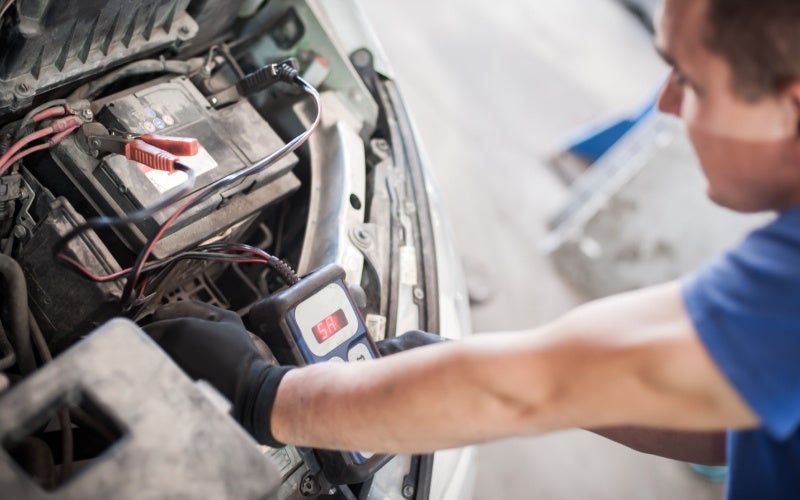
- Battery or charging concerns: Low voltage can create communication issues or trigger warning lights in modern vehicles.
- Emissions system leaks: Small leaks in hoses, valves, or seals can set trouble codes even when the vehicle feels normal.
Because many symptoms overlap, diagnostics should be handled methodically. A rough idle might involve spark plugs, coils, fuel pressure, intake leaks, engine mounts, software, or other systems. A fuel economy drop may be caused by tire pressure, brake drag, air filters, sensor data, or maintenance needs. A professional inspection helps separate symptoms from root causes, which is especially helpful for drivers who rely on one vehicle for commuting, family schedules, and weekend travel.
What to Expect During a Diagnostic Appointment
A diagnostic appointment usually begins with a conversation about what the driver noticed. Details matter: when the light came on, whether the vehicle was accelerating or idling, whether fuel was recently added, and whether there are sounds, smells, vibrations, or performance changes. The technician then scans the vehicle for stored codes and reviews live data. Depending on the findings, additional testing may include checking electrical circuits, inspecting hoses, testing fuel and ignition components, evaluating emissions equipment, or completing a controlled road test.
Our service center works on all makes and models, and our technicians regularly service Nissan and INFINITI vehicles. We also service diesel vehicles and EVs, so our diagnostic process is built around the specific technology in your vehicle rather than a one-size-fits-all approach. For Nissan drivers, genuine Nissan parts are available when replacement components are needed, and our parts department can help identify the right filters, sensors, batteries, fluids, wipers, maintenance parts, accessories, and repair parts for compatible models.
When Express Service Helps and When Diagnostics Are Better
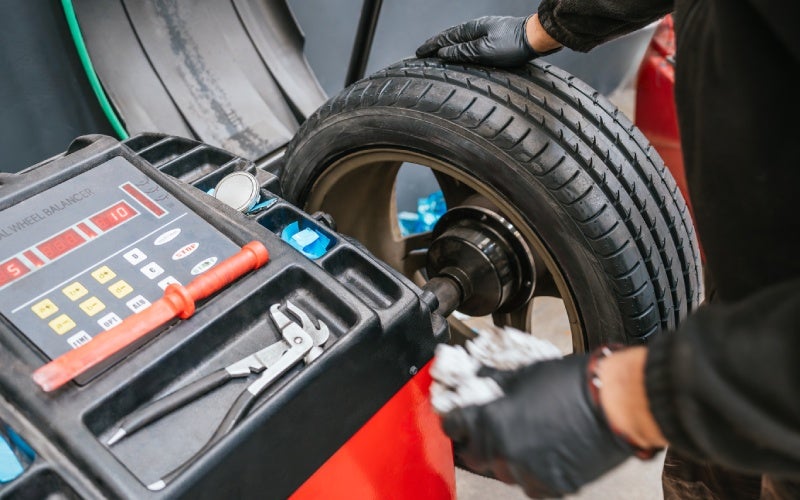
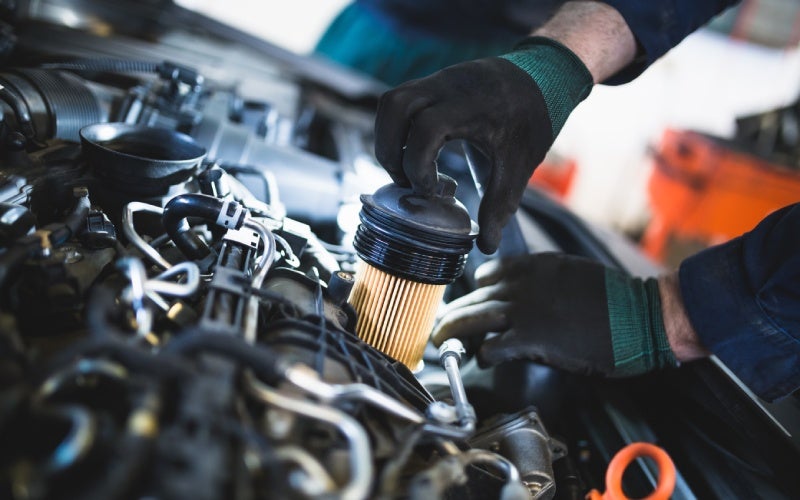
Nissan Express Service is designed for fast, convenient maintenance such as oil and filter changes, air filter replacement, in-cabin microfilter replacement, tire rotation and balance, battery checks, brake services, shocks and struts, new tires, new wipers, and factory scheduled maintenance. It is a great fit when routine service is due or a quick maintenance item needs attention. A check engine light, however, often requires deeper diagnostics because the system has stored a fault that needs confirmation.
That does not mean the visit needs to feel complicated. Service advisors can explain what was found, whether the concern is urgent, and what repair or maintenance steps make sense. If a multi-point inspection is performed, it can also give you a clearer view of tire tread, brake condition, battery health, fluid levels, and other items that influence reliability. This broader view is useful because a warning light sometimes appears alongside maintenance needs that have been developing quietly.
Frequently Asked Questions:
Can I drive with a check engine light on?
If the light is steady and the vehicle feels normal, you may be able to drive a short distance, but schedule diagnostics soon. If the light is flashing or the vehicle runs poorly, avoid continued driving and seek service promptly.
Will disconnecting the battery fix the light?
Disconnecting the battery may temporarily clear the light, but it does not repair the cause. The light can return, and clearing codes may remove useful diagnostic information.
Is a free code scan enough?
A code scan can identify where to begin, but it does not confirm the failed part or underlying cause. Proper diagnostics include testing and verification before repairs are recommended.
Do you service non-Nissan vehicles with check engine lights?
Yes. Our service department works on all makes and models, including many Nissan and INFINITI vehicles, plus diesel vehicles and EVs.
Schedule Check Engine Light Service
If your check engine light is on, schedule a diagnostic visit before a small issue becomes a larger repair. Our service center in Egg Harbor Township is convenient for Absecon, NJ drivers and offers certified technicians, online scheduling, a comfortable lounge, Wi-Fi, refreshments, shuttle service, and service financing partners for qualified repair needs. Contact our Service and Parts team at 609-383-6100 or use online scheduling to choose a time that fits your day. We will help you understand the warning light, review the findings clearly, and get your vehicle back to dependable driving.