
Matt Blatt Nissan - Tire Pressure, Rotation, and Alignment Checks for Ocean City, NJ Drivers
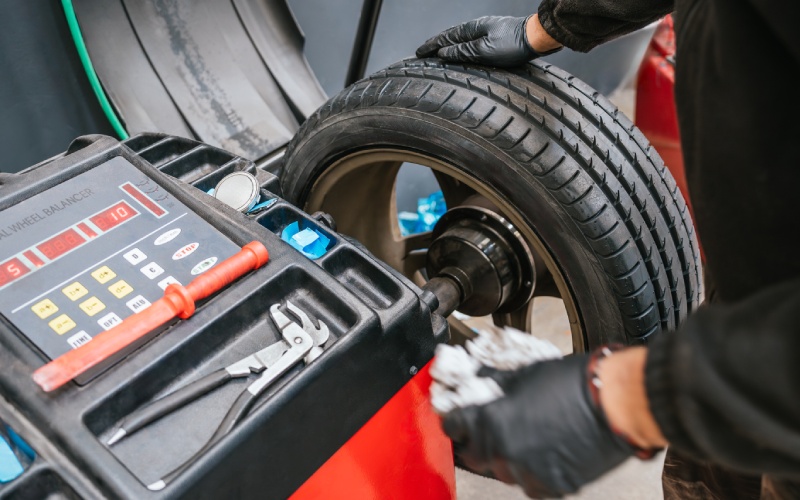
For Ocean City, NJ drivers, tires do more than carry a vehicle from one destination to another. Tires affect braking distance, steering response, ride comfort, fuel efficiency, and confidence on bridges, causeways, neighborhood streets, and highway routes toward Egg Harbor Township or Atlantic City. A tire can look acceptable at a glance while still having uneven tread wear, low pressure, a developing sidewall issue, or a balance concern. That is why routine tire pressure checks, rotation, balancing, and alignment awareness matter for anyone who relies on a car, truck, SUV, or EV for daily transportation.
Why Tire Pressure Matters More Than Many Drivers Realize
Correct tire pressure helps the tire contact the road as intended. When pressure is too low, the edges of the tread can wear faster, the tire can generate excess heat, and fuel economy may decline. When pressure is too high, the center of the tread may wear prematurely, the ride can feel harsher, and pothole impact can become more noticeable. Ocean City travel often includes short trips, frequent parking, and repeated transitions from local streets to faster roads, so pressure consistency plays an important role in everyday control.
A tire pressure monitoring system can alert you when pressure drops beyond a certain point, but it should not replace periodic manual checks. Pressure can change gradually, and a small difference from tire to tire can influence steering feel. If a tire pressure light comes on, the best next step is not simply adding air and moving on. A technician can check for punctures, valve stem concerns, bead leaks, wheel damage, and tread condition. At Matt Blatt Nissan, we can inspect tires as part of routine service and help determine whether a pressure issue is simple or a sign of something more involved.
How Tire Rotation Helps Extend Tread Life
Tires do not wear evenly from front to rear. Front tires commonly handle more steering force, and braking can place different demands on each axle. On some vehicles, drivetrain layout also influences wear patterns. Regular tire rotation helps distribute wear more evenly, which can support longer tire life and a smoother ride. If rotations are skipped, one pair of tires may wear faster than the others, creating more road noise, reduced traction, or a need for replacement sooner than expected.
- Uneven tread depth: A noticeable difference between front and rear tires can affect handling and wet-road grip.
- Feathering or cupping: Irregular tread texture may point to alignment, balance, suspension, or rotation concerns.
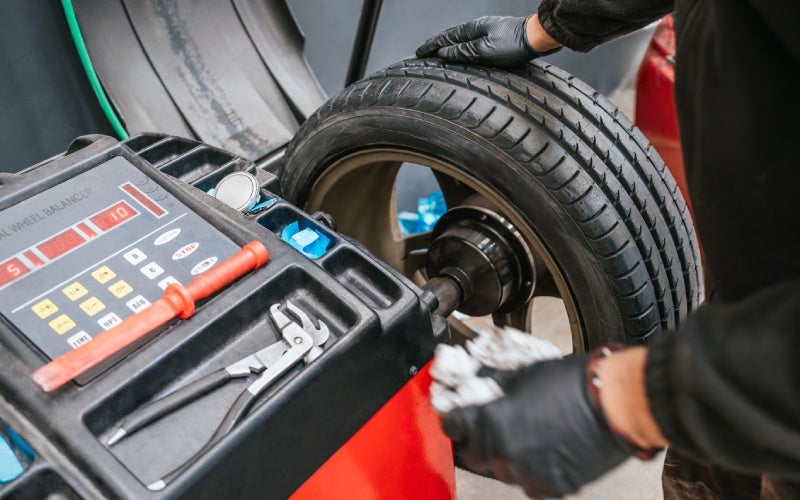
- Vibration at speed: A tire or wheel balance issue can cause shaking through the steering wheel, seat, or floor.
- Pulling while driving: If the vehicle drifts left or right on a straight road, alignment or tire condition should be checked.
Drivers near Atlantic City, NJ often travel a mix of roads, from local shore routes to the Garden State Parkway and Black Horse Pike. That variety can make tire wear harder to predict. A vehicle used mostly for short local trips may show different wear than one used for longer commutes. Rotation intervals can depend on the vehicle, tire type, driving habits, and manufacturer guidance. A service advisor can help you understand a practical schedule based on your vehicle’s maintenance recommendations.
Alignment Checks and What Your Tires Can Tell You
Alignment is about the angles of the wheels and how the vehicle tracks down the road. If alignment is off, tires can scrub against the pavement instead of rolling cleanly. That can lead to rapid inner-edge or outer-edge wear, steering wheel off-center concerns, or a vehicle that feels less stable. Alignment can be affected by potholes, curb contact, road debris, worn suspension components, or normal wear over time. Even a small impact can gradually change how a tire wears.
Your tires often provide clues. Center wear can indicate overinflation. Wear on both outer edges can indicate underinflation. One-sided wear can suggest alignment concerns. Patchy wear may point toward balance, suspension, or shock and strut issues. Because these patterns can overlap, a professional inspection is valuable. A technician can evaluate tread depth, pressure, visible damage, wheel balance, and related steering or suspension components to help identify the real cause rather than treating only the symptom.
When to Consider New Tires
New tires may be needed when tread depth is low, sidewalls are damaged, punctures cannot be safely repaired, or age and wear reduce confidence. Tire replacement is also worth discussing when recurring pressure loss, vibration, or traction concerns continue after basic service. The right tire depends on vehicle type, wheel size, driving needs, comfort preferences, and manufacturer recommendations. Our Tire & Parts Super Center carries major tire brands and can help drivers compare options that fit vehicle requirements and everyday use.
For Nissan owners, choosing tires that match the vehicle’s engineering can help preserve comfort, handling, efficiency, and braking performance. For other makes and models, proper size, load rating, and performance characteristics remain just as important. A tire that is not well matched to a vehicle can affect ride quality or wear faster than expected. Professional tire guidance can be especially helpful if you drive a sedan, crossover, truck, EV, or SUV with specific tire needs.
Frequently Asked Questions:
How often should tire pressure be checked?
Checking tire pressure about once a month and before longer trips is a smart habit. If the tire pressure light comes on, schedule an inspection to confirm whether air loss is caused by temperature change, a puncture, a valve concern, or another issue.
Can I drive with uneven tire wear?
Uneven tire wear should be inspected promptly. Depending on severity, it can affect traction, braking, steering, and tire life. A technician can identify whether rotation, balancing, alignment evaluation, or replacement is appropriate.
Is tire rotation still needed on all-wheel drive vehicles?
Yes. All-wheel drive vehicles benefit from consistent tire maintenance because uneven tread depth can affect handling and drivetrain operation. Follow the recommended maintenance schedule for your specific vehicle.
What should I do if my vehicle vibrates at highway speed?
Schedule a tire and wheel inspection. Vibration can come from imbalance, tire damage, uneven wear, bent wheels, or suspension concerns. A professional check helps locate the cause.
Keeping up with tire pressure, rotation, balance, and alignment checks can make every drive feel more controlled, efficient, and predictable. If you live in Ocean City, NJ or commute through surrounding communities near Atlantic City, NJ, our Egg Harbor Township service location is ready to help with tire inspections, rotations, balancing, new tires, and related maintenance. Schedule service online or contact our Service & Parts Department for professional tire care tailored to your vehicle.