
Blog / Used Dealer

Why a used Ford SUV fits everyday life around Vineland, NJ

Why a used Ford SUV fits everyday life around Vineland, NJ

Matt Blatt Nissan - Why a used Ford SUV fits everyday life around Vineland, NJ

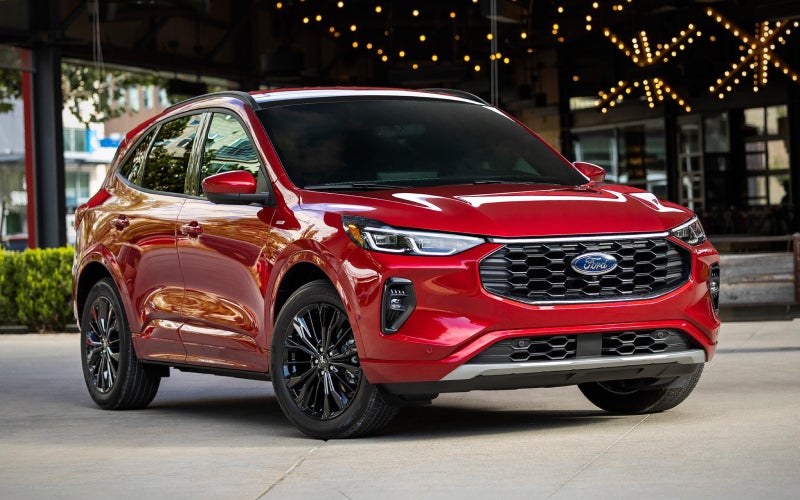
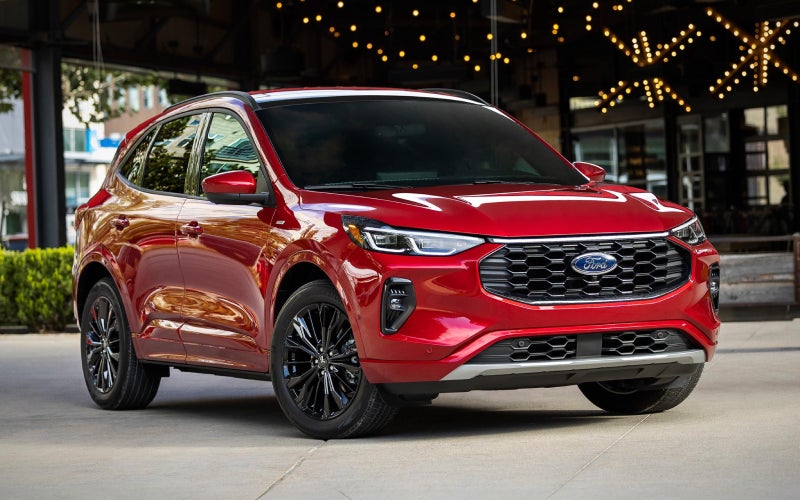
For families and commuters who navigate Route 55, school pick-up lines, and the steady rhythm of South Jersey errands, a used Ford SUV hits a rare sweet spot. You get flexible seating, practical cargo space, and modern driver-assist tech across familiar nameplates like Escape, Edge, and Explorer. Add in Ford’s SYNC infotainment and available FordPass Connect, and daily drives around Vineland, NJ feel calmer and more connected. This is the kind of value that shows up every day, whether you’re heading to work up Delsea Drive or loading the rear with weekend sports gear at the park.

As you compare models online, you’ll see how many used Ford SUVs share a common focus on real-world utility. Split-folding seats, wide liftgate openings, and low cargo floors handle grocery runs or road-trip luggage without drama. Intelligent AWD on many models helps you feel planted when you turn off the main roads onto gravel or damp shoulders. And because Ford Co-Pilot360 technologies are widely available, essentials like BLIS (Blind Spot Information System), Lane-Keeping System, and Automatic Emergency Braking can bring added confidence to busy intersections and multi-lane merges.

Connectivity is another reason these SUVs remain so popular. SYNC 3 or SYNC 4 with Apple CarPlay and Android Auto lets you keep maps and playlists exactly where you want them, while voice commands make hands-on-the-wheel driving more natural. For family life, available multiple USB ports, rear-seat vents, and quiet cabins help keep everyone comfortable. When errands take longer, FordPass Connect’s available Wi-Fi hotspot can keep passengers occupied, and remote start features on many models bring curbside convenience to early mornings and after-work pickups.

Under the hood, EcoBoost turbocharged engines deliver lively response without demanding constant fill-ups. Around-town torque makes left turns and short on-ramps less stressful, and the calm, low-rpm highway manners speak to long-haul comfort when you hop on Route 55. Available transmissions, including 8- and 10-speed automatics in many models, help the engine stay in its optimal range, while Auto Start-Stop systems reduce idle time in slow parking-lot crawls.

Shoppers also like that Ford's safety and service information is easy to find and easy to understand. Clear indicator icons, straightforward menus in the instrument cluster, and intuitive steering-wheel controls make daily use simple. Pair that with common-sense maintenance—oil, filters, brakes, and tires—and you have an ownership experience that suits the steady pace of Cumberland County life. It’s a practical equation: flexible interior + confident tech + easy-to-live-with powertrains.

When you’re ready to narrow your shortlist, a structured approach helps. Focus on the features that match your commute, cargo needs, and parking realities—then test drive to feel the difference in steering, seat support, and visibility from the driver’s chair. Below is a quick checklist to guide your comparison of used Ford SUVs.

  • Seating configuration: Do you need a third row occasionally or is a two-row setup plenty?
  • Cargo flexibility: Will a 60/40 or 40/20/40 split help with strollers, coolers, or golf bags?
  • AWD capability: Are weekend trailheads or unpaved lots part of your routine?
  • Driver-assist tech: Which Co-Pilot360 features are must-haves for your roads and traffic?
  • Infotainment needs: How important are larger touchscreens, voice control, and multiple USB ports?
  • Ride and visibility: Do the seats, sightlines, mirrors, and camera views fit your comfort level?

To make online shopping smoother, organize your test drive plan before you click “schedule.” This simple sequence keeps the process focused on your must-haves.

  1. Define priorities: Rank interior space, tech, AWD, and efficiency by importance.
  2. Review features: Verify the specific SYNC version, driver-assist items, and seating configuration.
  3. Plan a route: Include a mix of stop-and-go, a highway stretch, and a quick parking maneuver.
  4. Check cargo: Bring a stroller, cooler, or golf bag to confirm real-world fit.
  5. Assess comfort: Adjust seats and mirrors, pair your phone, and test voice commands.

Some shoppers ask how Ford’s suite of safety and connectivity stacks up in the real world. The short answer: it meets daily needs without being fussy. BLIS helps when merging near mall entrances, Lane-Keeping nudges focus during long commutes, and Automatic Emergency Braking stands ready in those surprise moments when traffic compresses faster than expected. SYNC keeps directions and media at your fingertips, and FordPass Connect adds useful remote features that quickly become part of your routine.

Frequently Asked Questions:

What Ford Co-Pilot360 features are most useful for daily driving?

Pre-Collision Assist with Automatic Emergency Braking, BLIS with Cross-Traffic Alert, and a Lane-Keeping System address the most common needs: unexpected braking events, lane changes in traffic, and gentle steering support to reduce drift. Many models also include a rearview camera with guidelines for easy parking.

How does Ford’s SYNC system help during a busy commute?

SYNC 3 or SYNC 4 integrates Apple CarPlay and Android Auto, placing maps, calls, and music on a clear touchscreen with quick voice commands. That keeps attention forward while providing the information you rely on every day.

Is AWD worth it for a used Ford SUV in South Jersey?

Intelligent AWD is valuable if your routine includes unpaved lots, wet back roads, or occasional weekend trips off the beaten path. It actively routes power to the wheels with grip for added poise when surfaces are inconsistent.

Which models should I compare if I want a two-row SUV?

Escape and Edge are smart places to start. Escape balances footprint and efficiency with strong everyday utility, while Edge offers a roomier cabin and a confident highway ride.

What about cargo space and third-row access?

Explorer delivers both, with an available third row and easy-fold mechanisms that make switching from passengers to cargo simple. For many families, that flexibility is the deciding factor.

How can I verify the exact features on a specific used Ford?

Review the listing’s feature list, photos, and vehicle history report, then confirm during a walkaround and test drive. Check for SYNC version, driver-assist items, seating adjustments, and wheel-and-tire details to ensure the vehicle matches your priorities.

When you’re comparing your options, it helps to partner with a dealership that supports a transparent, time-respecting process—clear listings, fast answers, and helpful guidance at each step. Matt Blatt Nissan provides the digital tools and knowledgeable team to help you track down the Ford SUV that fits your daily routine, with a selection designed to make online shopping efficient and confidence-inspiring.

If you live or work in South Jersey, we’re convenient to local corridors and community stops, and our approach is built around respect for your time and priorities. From first search to final signature, expect a smoother path to the used Ford SUV that matches your commute, your cargo needs, and your comfort behind the wheel—serving Hammonton, Galloway, and Vineland.
Request more information

Posted in:

Related Posts

Used Ford vs Chevy - A Pragmatic Buyer’s Guide for Absecon, NJ

Used Ford vs Chevy - A Pragmatic Buyer’s Guide for Absecon, NJ

Matt Blatt Nissan - Used Ford vs Chevy - A Pragmatic Buyer’s Guide for Absecon, NJ Comparing used Ford and used Chevy models works best when you map the choice to your real-world routine—commuting on the Garden State Parkway, picking up friends for dinner along Tilton Road, or hauling beach gear for a day trip to the Shore. Rather than start with brand loyalty, outline your needs: how many seats, how much cargo, which driver aids, and whether you tow two or ten weekends a year. That framework turns a crowded marketplace into a shortlist you can test-drive with purpose in Absecon, NJ. Begin with size and mission. Compact crossovers like Ford Escape and Chevy Equinox strike a sweet spot for errands, parking, and fuel use, while midsize options such as Ford Edge and Chevy Blazer add highway stability and room for growing families. If carpools or third-row flexibility matter, compare the Ford Explorer with the Chevy Traverse, paying close attention to second-row space and third-row access. Truck shoppers weighing Ford F-150 against Chevy Silverado 1500 should look beyond big tow numbers—match your real trailer weight, cargo, and hitch gear to the trim and axle ratio on the specific truck you plan to buy. How to Build a Smarter Shortlist Use a simple, repeatable checklist during research and on test drives. It keeps comparisons fair and highlights differences you may not notice with a quick loop around the block. Bring your phone and a typical load—strollers, golf clubs, or beach chairs—so you can test cargo height, tie-downs, and seat folding in real time. Evaluate sightlines in tight lots and at dusk; camera resolution and headlight performance matter as much as horsepower when you are navigating busy shopping centers or late-night pickups. Cabin fit: Measure hip room, headroom, and thigh support; confirm rear-seat comfort for adults on 30-minute drives. Infotainment: Test CarPlay or Android Auto startup speed, voice control accuracy, and Bluetooth reconnect behavior. Driver assists: Validate adaptive cruise smoothness, lane-keeping feedback, and blind-spot visibility in real traffic. Cargo solutions: Check fold-flat surfaces, liftover height, underfloor storage, and power liftgate speed. Ride and handling: Drive on patched pavement and at highway speed to judge noise levels and steering stability. Towing readiness: Look for factory hitches, trailer brake controllers, and cameras with useful guidelines. Score each vehicle right after your drive. Notes taken in the moment capture small wins—such as an easy-to-reach child-seat anchor or a calmer lane-centering tune—that become decisive later. If you compare an Explorer and a Traverse back-to-back, you will immediately feel differences in seat firmness, low-speed ride quality, and how the transmission behaves in rolling traffic. Engines, Transmissions, and Total Cost of Ownership Powertrain choice shapes not just performance but long-term costs. Turbocharged fours can deliver strong torque where you use it most—low and midrange—while a naturally aspirated V6 may feel smoother during steady cruising. In full-size SUVs and trucks, V8s remain capable, but modern turbo V6 setups often balance towing with daily comfort and efficiency. Whatever you shortlist, study service records for regular oil changes, transmission fluid intervals, and accessory drive upkeep. Then price tires and brakes in the exact sizes on the vehicle you are considering—wheel diameter and tow packages influence replacement costs more than many shoppers expect. Coastal living means extra vigilance for corrosion on underbody components, trailer wiring, brake lines, and fasteners. Look beneath the vehicle and along the frame rails for rust flakes or bubbling under coatings. Open doors and liftgates to ensure weather seals drain cleanly. If the candidate has lived close to the water or carried gear covered in road salt or sand, budget time for rust prevention and regular rinsing during the year. Model Matchups Worth a Closer Look Trucks: Ford F-150 versus Chevy Silverado 1500. Test ride quality at 45–65 mph, listen for bed and cab squeaks, and evaluate tow-friendly features like integrated brake controllers and guiding camera views. Midsize SUVs: Ford Explorer versus Chevy Traverse. The Explorer brings rear-biased dynamics and strong powertrains; the Traverse often wins for third-row adult space and a calm, long-haul ride. Compact SUVs: Ford Escape versus Chevy Equinox. Escape frequently feels more eager off the line, while Equinox leans into relaxed steering and simple ergonomics. Midsize two-row SUVs: Ford Edge versus Chevy Blazer. Edge tends to prioritize quiet cruising and cargo space, while Blazer emphasizes style and a sportier steering tune. Make each test drive mimic your daily rhythm. Merge firmly to confirm passing confidence, park in a tight spot to assess turning radius and camera clarity, and drive a stretch of patched pavement to sense suspension control. On highways, note wind noise near the mirrors and A-pillars. In town, pay attention to brake pedal feel and low-speed transmission smoothness. Those small observations create a long-term ownership advantage. Shopping Support and Local Perspective If you want guidance that keeps the focus on fit and condition, Matt Blatt Nissan offers a customer-first process anchored by clear history reports, flexible online tools, and knowledgeable staff who understand Shore driving. With coast-aware inspection tips and a straightforward approach, we help you compare Ford and Chevy options without guesswork so you can feel confident from day one. Ready to take the next step? Build your shortlist, bring your real cargo, and plan two test routes: one with stop-and-go and one at steady highway speed. When a candidate checks your boxes—comfortable seating, intuitive tech, and the right capacity—review maintenance history and plan a preventive service baseline. With this approach, you will find a used Ford or Chevy that fits everyday life, from Parkway commutes to weekend shore plans, while keeping long-term costs in check. Our team is here to help, serving Egg Harbor City, Absecon, and Egg Harbor Township with transparent guidance and a streamlined shopping experience. Request more information

Used Nissan vs Used Hyundai - A Practical Guide for Daily Drives around Egg Harbor City, NJ

Used Nissan vs Used Hyundai - A Practical Guide for Daily Drives around Egg Harbor City, NJ

Matt Blatt Nissan - Used Nissan vs Used Hyundai - A Practical Guide for Daily Drives around Egg Harbor City, NJ Choosing a used car is part budget decision, part lifestyle match. When you compare used Nissan and used Hyundai models, you will see similar strengths—excellent safety tech, efficient engines, and family-friendly cabins—delivered with different personalities. Nissan often emphasizes a planted, confident drive and intuitive controls. Hyundai frequently aims for modern design and high feature content at accessible price points. This guide offers a practical, road-tested way to evaluate both so you find a long-term fit. Start with what you do most. If your week includes White Horse Pike traffic, Parkway merges, and runs to the fields at Tony Canale Park, focus on steering feel, brake modulation, and seat comfort after 30 minutes. A compact SUV like Rogue or Tucson can be the sweet spot—easy to park, roomy for errands, and settled at highway speeds. For sedan commuters, Sentra and Elantra deliver efficiency; Altima and Sonata add extra calm for longer drives. How Each Brand Feels From the Driver’s Seat Nissan’s tuning often inspires confidence on imperfect pavement, with predictable steering and reassuring brake feel. Hyundai emphasizes approachability—light, easy inputs that shine in town traffic and during frequent parking. Both build interiors with user-friendly screens and reliable smartphone integration. The difference shows up in the details: control layout, the way lane-keep nudges the wheel, how adaptive cruise responds to cut-ins, and the texture of road noise at 65 mph. Drive both on the same route to feel the contrast clearly. AWD availability is another hinge point. Many used Altima models offer AWD as a standout in the midsize sedan set, useful for wet ramps and shoulder-season storms. Among compact SUVs, Rogue and Tucson both serve well in rain and light snow; what you will notice is how calmly each system transfers torque and how stability control steps in if markings fade or gusts pick up crossing the wetlands toward the shore. A Comparison Checklist You Can Use Today Seat support: Rate front and rear comfort after 30 minutes; bring whoever rides with you most. Visibility: Check blind spots, A-pillar thickness, and rear headrest impact on the view. Throttle and brakes: Practice gentle and firm inputs; look for smoothness without lag. Cabin noise: Listen at 35, 50, and 65 mph for wind and tire hum differences. Cargo ease: Test lift-over height, underfloor storage, and split-fold flexibility. Tech feel: Try the camera views, phone pairing, voice commands, and driver aids. Service history: Review maintenance records and tire/brake condition before you decide. For families, access can be the tiebreaker—how easy it is to secure child seats, reach buckles, and wipe down surfaces after a beach day. If you juggle carpool and groceries, note door swing angles, rear-seat legroom, and how well the climate system reaches the second row. For weekenders, look closely at roof-rail options, cargo length with seats folded, and whether you prefer a power liftgate or a lower manual hatch. Model Matchups Worth Your Time Sentra vs Elantra is a classic compact-sedan decision. Sentra’s steering and brake tuning can feel reassuring across uneven pavement; Elantra counters with a bold design, generous features, and competitive efficiency. For midsize shoppers, Altima’s available AWD makes a strong case for all-weather confidence, while Sonata’s upscale touches and sound insulation stand out on longer drives. Among small SUVs, Rogue brings versatile cargo solutions and smart driver aids; Tucson delivers a modern cabin and strong value alignment across trims. Ownership confidence matters as much as the test drive. Ask for a vehicle history report to verify maintenance and mileage. Look at tire wear patterns, inspect the spare and tools, and confirm that all driver-assist sensors and cameras operate cleanly. A short highway stint helps you hear the drivetrain’s character and feel whether the transmission settles calmly at cruising speeds. Financing and trade-in support can simplify the whole process. Getting pre-qualified gives you a clear budget, and seeing your trade value up front helps you compare vehicles side by side without second-guessing. If you shop across brands, keep the test-drive route constant so differences you feel are about the cars, not the road. As a local team serving Little Egg Harbor, Egg Harbor City, and Absecon, our guidance centers on how these vehicles live day to day—parking near busy shops, merging onto Route 30, and cruising to the boardwalk. One final tip: bring your daily carry with you. Load the stroller, sports gear, or instrument cases into each contender. Use the infotainment the way you will use it at 7 a.m. on a weekday. That real-world trial often reveals the better fit more clearly than any spec sheet. If you want a concise summary: test ergonomics and visibility first, then driving feel, then cargo and tech. Nissan often wins on planted ride and intuitive controls. Hyundai often wins on sleek design and rich features. When you try two or three comparable trims the same afternoon, the right answer usually becomes obvious. If you would like help structuring that comparison, Matt Blatt Nissan can line up your favorites, map a smart route, and answer detailed questions about ownership, service planning, and long-term value. Request more information

Smart Used Nissan vs Used Jeep Shopping Tips for Weekend Drives around Little Egg Harbor, NJ

Smart Used Nissan vs Used Jeep Shopping Tips for Weekend Drives around Little Egg Harbor, NJ

Matt Blatt Nissan - Smart Used Nissan vs Used Jeep Shopping Tips for Weekend Drives around Little Egg Harbor, NJ Shore towns reward vehicles that balance easygoing cruising with the confidence to handle sandy parking areas, gravel access roads, and the occasional nor’easter aftermath. If you are choosing between a used Nissan and a used Jeep for life around Little Egg Harbor, start with a realistic checklist of your week and weekend drives—then let the specs support the plan, not the other way around. How to Match the Vehicle to Your Routes Think about your most common miles. Do you split time between Route 9, short Parkway hops, and marina runs? A fuel-sipping Nissan crossover or sedan can be a strong everyday partner with a quiet cabin and user-friendly tech. Do you venture down rutted access lanes or head to trailheads where ground clearance matters? A Jeep with the right 4x4 package and all-terrain tires can pay off. The key is not capability in a vacuum, but capability you will actually use, paired with comfort you will appreciate every day. Condition and history should carry as much weight as badges. A well-documented, well-maintained vehicle with a clean history will often outshine a higher-trim option with spotty records. Keep your eye on service intervals, tire wear, brake life, and any signs of corrosion from coastal air. What To Look For on a Test Drive Build a consistent loop so comparisons are fair—include a highway merge, a few bumps and expansion joints, and a short detour on a packed-sand or gravel surface where appropriate and legal. Note seat comfort, visibility over the hood, and how the suspension settles after sharp impacts. Subtle differences become very clear when you repeat the same route in back-to-back vehicles. Ride quality: Listen for rattles, feel for tire slap, and check how quickly the vehicle settles after hits. Steering feel: Assess on-center stability on the Parkway and low-speed precision in parking lots. Noise levels: Compare wind, road, and tire noise at 45-65 mph; roof racks and aggressive treads can add hum. Braking confidence: Look for linear pedal feel and straight stops with no pull or vibration. Traction tech: Try AWD or 4x4 engagement in safe, legal conditions; confirm mode changes display correctly. Capture quick notes in your phone—what felt planted, what seemed busy or loud, and which cabin controls made sense without thinking. Those small impressions add up to great daily satisfaction. Used Nissan Strengths vs. Used Jeep Strengths Nissan crossovers and sedans typically lead with value, fuel economy, and extensive standard safety tech on many late-model trims. If most of your miles are paved, that combination is hard to beat. Jeep’s calling card is authentic 4x4 hardware and ground clearance across the right trims—ideal if your weekends involve dirt, deep ruts, or launching kayaks where footing is uneven. Remember that tire choice and suspension tuning affect both ride and capability; a Jeep on all-terrains may hum more on Route 9 than a Nissan on touring tires, but will also feel more at home on rougher paths. Budgeting for ownership means scanning beyond the purchase—consider insurance, tire costs, and preventative maintenance. Late-model Nissans often deliver predictably low running costs for commuters, while Jeeps may require closer tire and alignment attention if you prioritize off-pavement excursions. Documentation, Trade-Ins, and Delivery Options Always review a vehicle history report to verify maintenance, ownership changes, and title status. If you are moving up from your current vehicle, bring its details for a quick, data-backed trade estimate. Many shoppers prefer to begin online, then schedule targeted store visits and test drives to save time and energy. The goal is to keep the process clear, flexible, and on your terms—especially helpful when you are balancing shore-life plans with weekday routines. Matt Blatt Nissan, serving Vineland, Williamstown, and Little Egg Harbor, supports this approach with a customer-first process, free CARFAX reports on every used vehicle, and an option to shop online with available delivery or curbside pickup. Our certified technicians inspect and service used vehicles with genuine OEM parts, so you can focus on choosing the right fit rather than worrying about the basics. Frequently Asked Questions: Is AWD enough for Little Egg Harbor, or do I need 4x4? If your routes are mostly paved with occasional packed-sand or gravel segments, a good AWD system and appropriate tires are typically sufficient. If you tackle deeper ruts, mud, or rocks, the low-range capability and ground clearance in select 4x4 Jeep trims can be worthwhile. How do I compare cabin noise fairly? Drive the same loop at identical speeds in similar weather, remove roof crossbars if possible, and note tire type—aggressive treads can add hum that is unrelated to build quality. What is the best way to judge long-term comfort? Spend at least 20 minutes in each seat, adjust lumbar and wheel tilt/telescope, and include a few highway miles to assess posture and support. Comfort often reveals itself past the first quick impression. Should I prioritize mileage or service history? Both matter, but a slightly higher-mile vehicle with thorough, timely maintenance can be a smarter buy than a low-mile example with gaps in care. Confirm records, then inspect wear items and fluid condition. Whether your weekends revolve around the Forsythe refuge, marina mornings, or family visits across the Parkway, matching your vehicle to your real-world miles is the surest route to long-term satisfaction. Line up two or three contenders, drive them on the same loop, and let your notes—and the facts—point to the winner. Request more information